Introduced to make it easier to watch video content while using other Chrome tabs, picture-in-picture (PiP) functionality will be expanded to allow other types of content to be displayed.
For example, you’ll be able to view in resizable floating windows and web browser games, other web pages, or a narrowed version of your favorite social network interface. Examples mentioned by Google include video players with customised interface (e.g. Like/Dislike buttons, timeline and subtitles). Another option is to view text items, from playlists for the streaming service to PDFs and other text documents.
It’s unclear for now how long it might take before the functionality currently ready at the API component level is introduced in the Chrome browser. But it’s likely that these APIs will be picked up by other web browsers, encouraging widespread adoption as a new way to display web content.
In the meantime, we can only hope that Google has provided robust protections against abuse using the extended version of the PiP feature. Otherwise, there’s a pretty high risk that PiP windows will become a “mini” version of pop-up ads, displaying potentially unwanted content and ending up being blocked using AdBlock extensions.
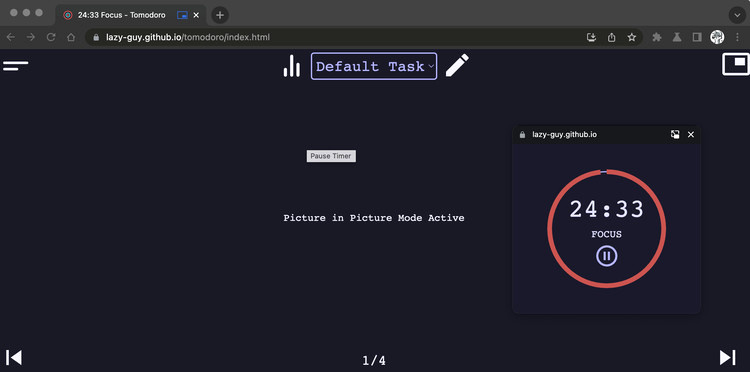
According to the current timeline, the extended version of the picture-in-picture feature will remain at the testing stage at least until the generation Chrome 115, expected for release in June. In the meantime, those wishing to participate in this experiment should check the enabled chrome://flags/#document-picture-in-picture-api.
The Best Online Bookmakers March 04 2026
 BonusCA$375 |
 BonusCA$150 |
 BonusCA$100 18+ | New players only | Wagering, banking, T&C apply. | www.gambleaware.org |
 Dead Cells Studio surprises with a roguelite insider tip
 Getting started with a world-famous card game is only cheap today!
 The chain letter warning will also spread in 2026, that’s what’s behind it
 This samurai adventure shows hidden Japan
 Switch players can currently almost steal a heist RPG!