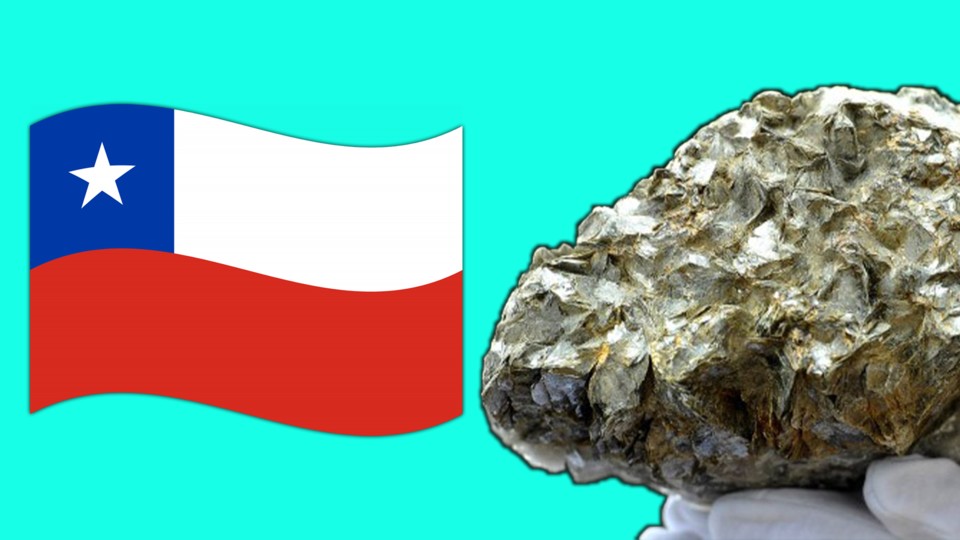
Chile wants a big slice of the lithium pie.
The white gold, the black gold and that new
Gold. Many resources have been compared to the precious metal over time to describe their high value. It used to be salt, now it’s lithium. Elon Musk has also referred to the alkali metal as “the new oil”.
Finanznachrichten.de reported in November that the demand for lithium on the international market is enormous:
“In fact, the alkali metal is well on the way to becoming the world’s most important and most-demanded commodity.”
Lithium is indispensable for batteries, for example, and the increasing demand for e-mobility increases the potential even further.
Meanwhile, Chile sits on the largest lithium deposits in the world that no one wants to mine.
It’s not worth dismantling
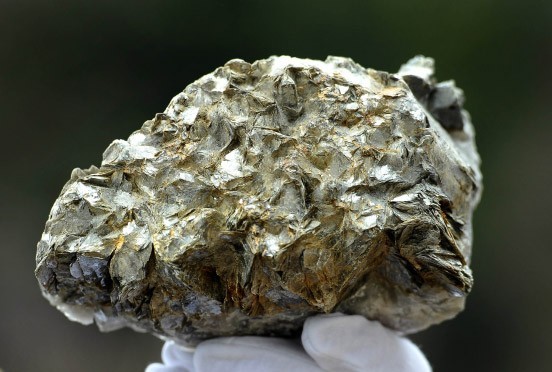
Mined Lithium. (Image: dapd)
Chile could be at the forefront when it comes to lithium, but the country has decided that the state should majority stake in companies who want to mine lithium around the country.
According to Bloomberg, this decision makes investments by new companies more difficult.
“Money is a coward, it runs away at the first sign of trouble”
That’s what Robert Friedland, president of mining company Ivanhoe Mines, told the media. According to him, the Chilean government’s plans will prevent investments in the country, which has the second largest reserves of the mineral in the world should have.
Currently, despite a decline, the price of the mineral is extremely high. But it can be up to ten years take until a mine is fully functional.
That’s why advisors like Morgan Stanley continue to point to shortages in the coming years, even though there’s still plenty of lithium to be mined (via cnevpost.com)
“The team believes lithium supply will not be able to keep up and could be in short supply by 22 percent by 2030.”
Phate Zhang, CnEVPost
Common in the industry
Chile is not the first government to want a piece of the commodity pie. Mexico, for example, wanted to fully nationalize lithium mining, but companies were reluctant to share their profits with the state, and the state struggled to get the mines running.
The Spanish state of Extremadura, on the other hand, has made it a condition that the mineral be processed in the region itself. The tax money from processing should remain in Spain, because processing brings in more money than mining.
The question remains whether the move will pay off for the Chilean government or whether it will missed opportunityto make a profit at the still high price of the mineral.
What do you think of Chile’s decision? Should they have followed the example set by other countries? Write it to us in the comments!
The Best Online Bookmakers March 09 2026
 Bonus€500+ 200 Free spins |
 Bonus€1,000 |
 Bonus€200 |
 Why I use a fan in winter and why I especially rely on this model!
 Spotify is increasing its prices again in the USA – what that means for us
 Dead Cells Studio surprises with a roguelite insider tip
 Getting started with a world-famous card game is only cheap today!
 The chain letter warning will also spread in 2026, that’s what’s behind it